
Cát Tiên - Where every cacao bean begins from a sustainable ecosystem
When choosing a food product, more and more people are not only concerned about the taste but also want to know how that product is made.
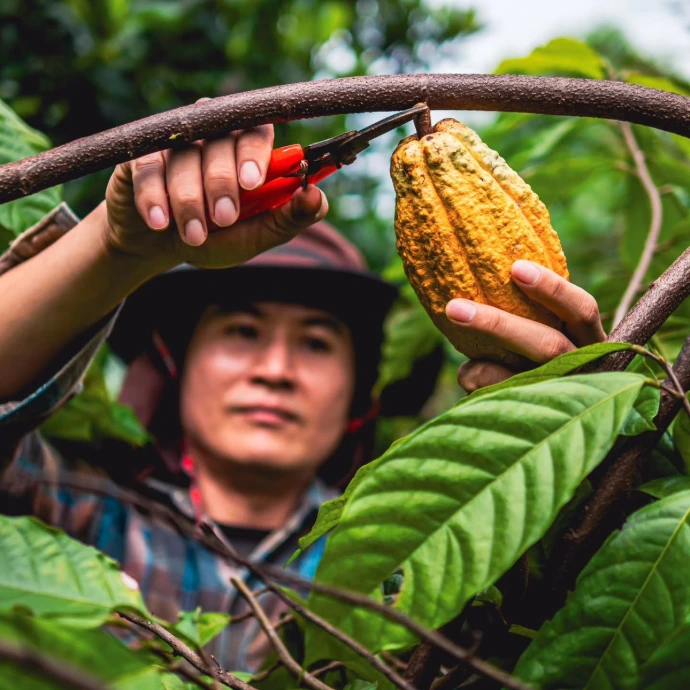
In Cat Tien - the journey of the cacao bean begins with that very thought.
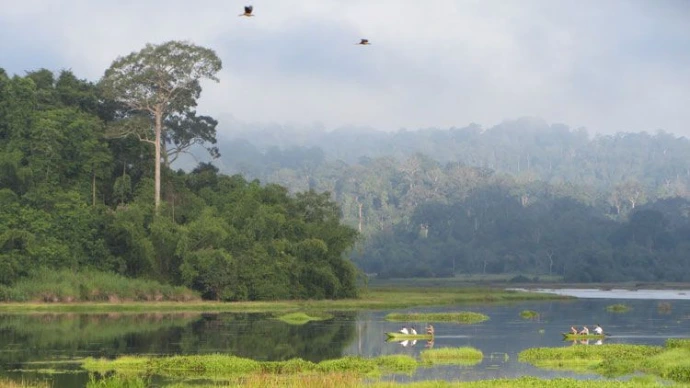
This is one of the Vietnam's prominent cocoa-growing region, where farmers are pursuing a farming model aimed at sustainability and harmony with nature.
Growing cacao organically
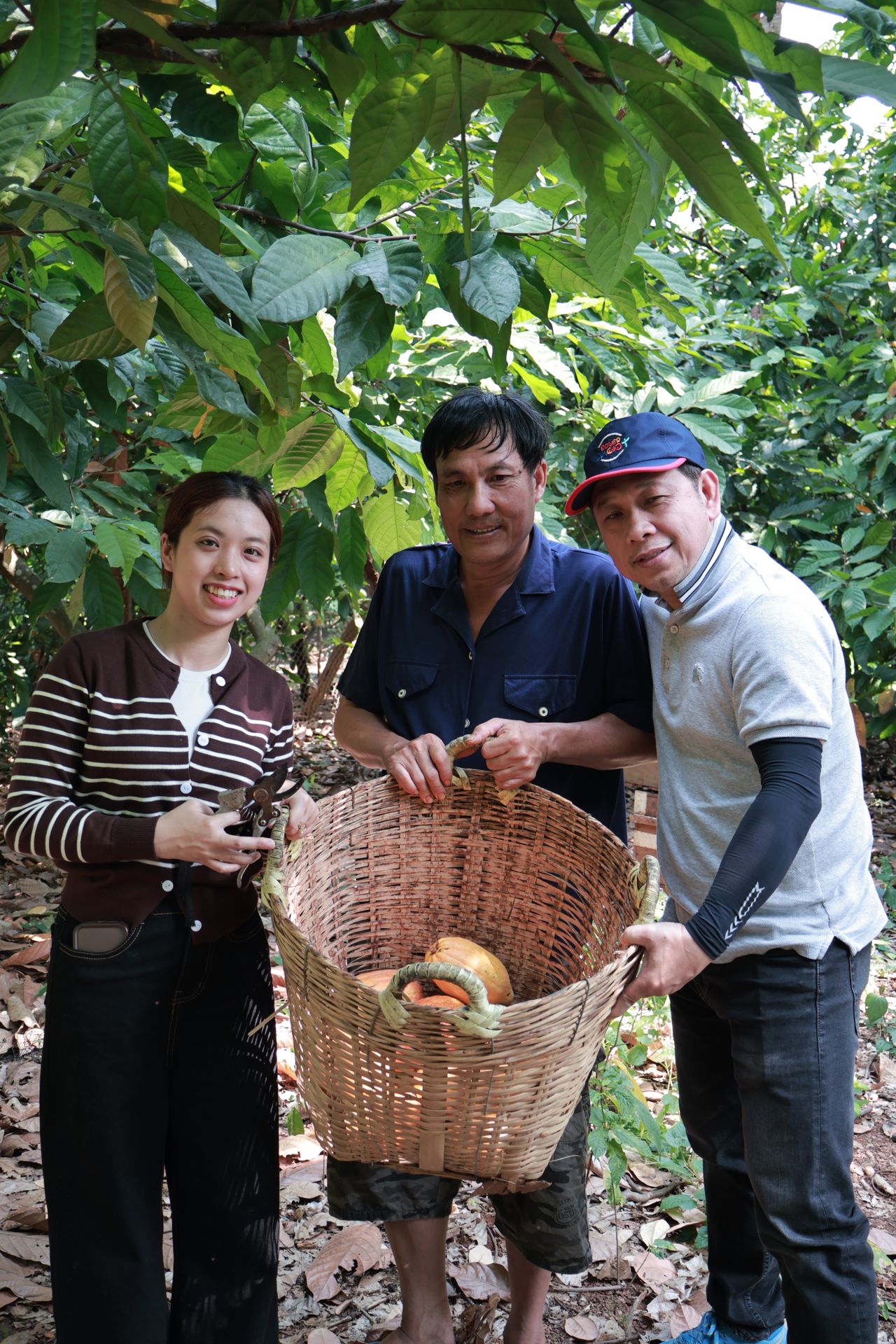
In many cacao gardens in Cat Tien, farmers prioritize using organic fertilizer, enhance the fertility of the soil and maintain the natural balance in the garden ecosystem.
In addition to cacao, shade trees such as banana or legume is also intercropped to help retain moisture, improve soil, and create a more stable growing environment for the plants.
That is how the farmer takes care of not just one harvest, but the entire land for the upcoming seasons.
When "not wasting anything" becomes a habit
One of the interesting points of Cat Tien is how the resources are maximized.
The cocoa pod husks after harvest can be composted into organic fertilizer.
The branches and leaves after pruning are used to cover the roots, helping to retain soil moisture.
These small activities contribute to the formation of a natural cycle, reduce waste and support sustainable production.
Flavors from nature and perseverance
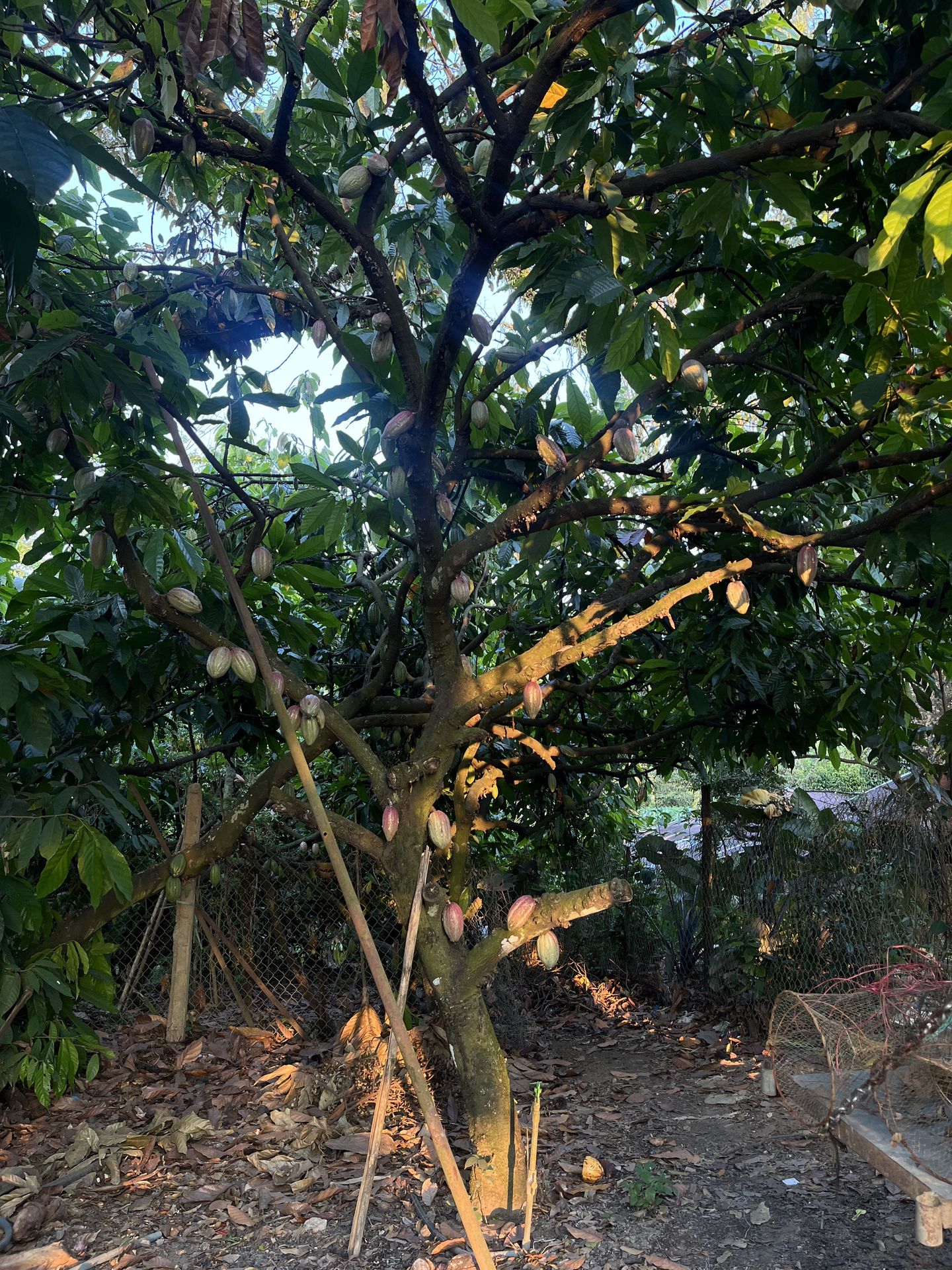
Cacao Cat Tien often favored for its balanced flavor, gentle aftertaste, and light sensation when enjoyed.
Each cacao bean not only reflects the soil and climate conditions of this land but is also the result of a persistent cultivation process that spans many seasons.
From farm to consumer
At OCOP GIFT, we believe that a good product is not only delicious but also needs transparency about the origin and the story behind it.
And Cat Tien is one of the examples that shows sustainable agriculture can create value for both growers, the environment, and consumers.
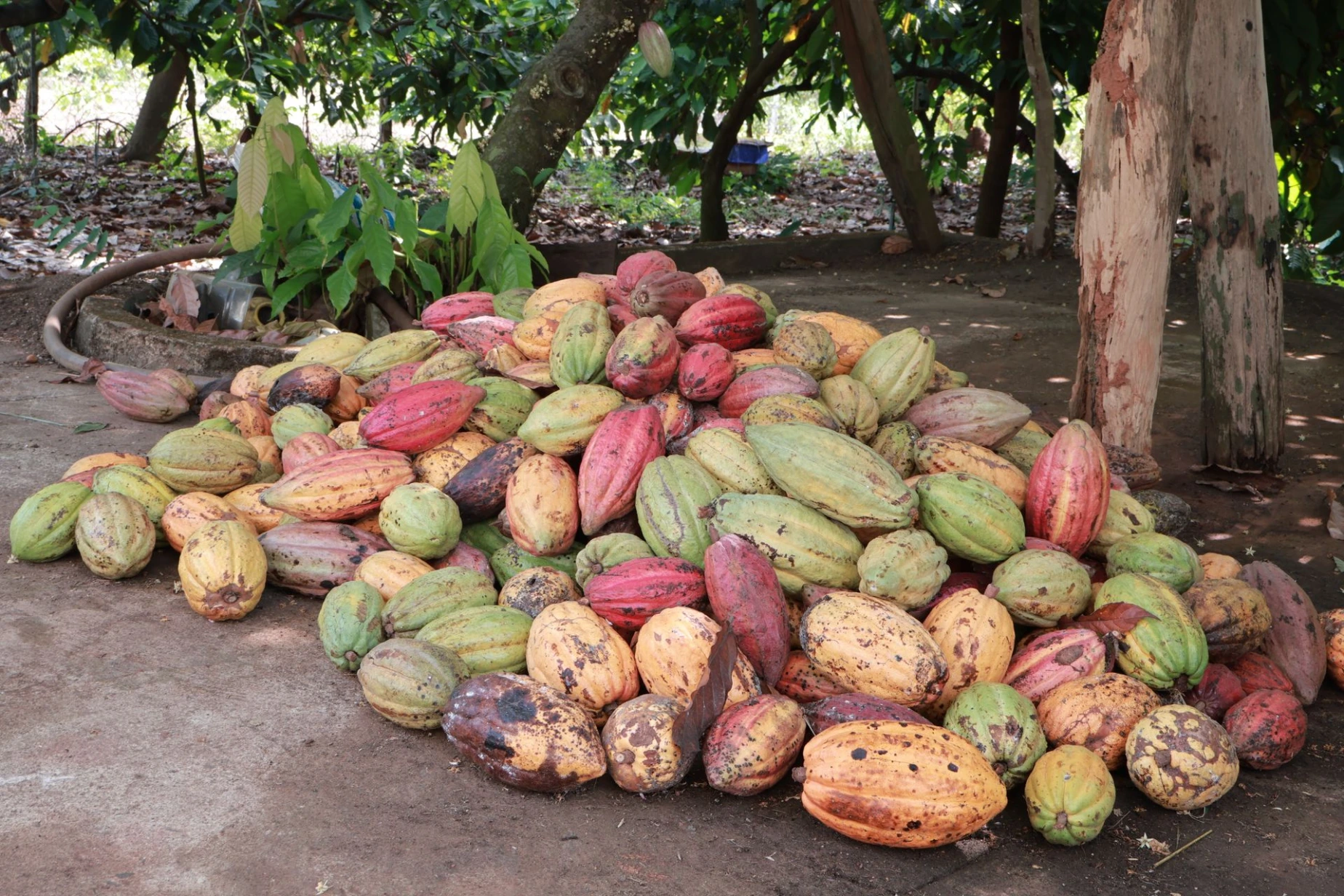
Why is Cat Tien cacao often grown under tree canopies?
If you have the chance to visit a cacao garden in Cat Tien, you might be surprised.
Unlike many industrial crops that are planted in long rows under direct sunlight, the cacao here often appears under larger green canopies.
At first glance, the garden resembles a small forest more than a farm.
And that makes perfect sense.
Therefore, when planted under the canopy at Cat Tien, cacao is living in an environment close to its natural conditions..
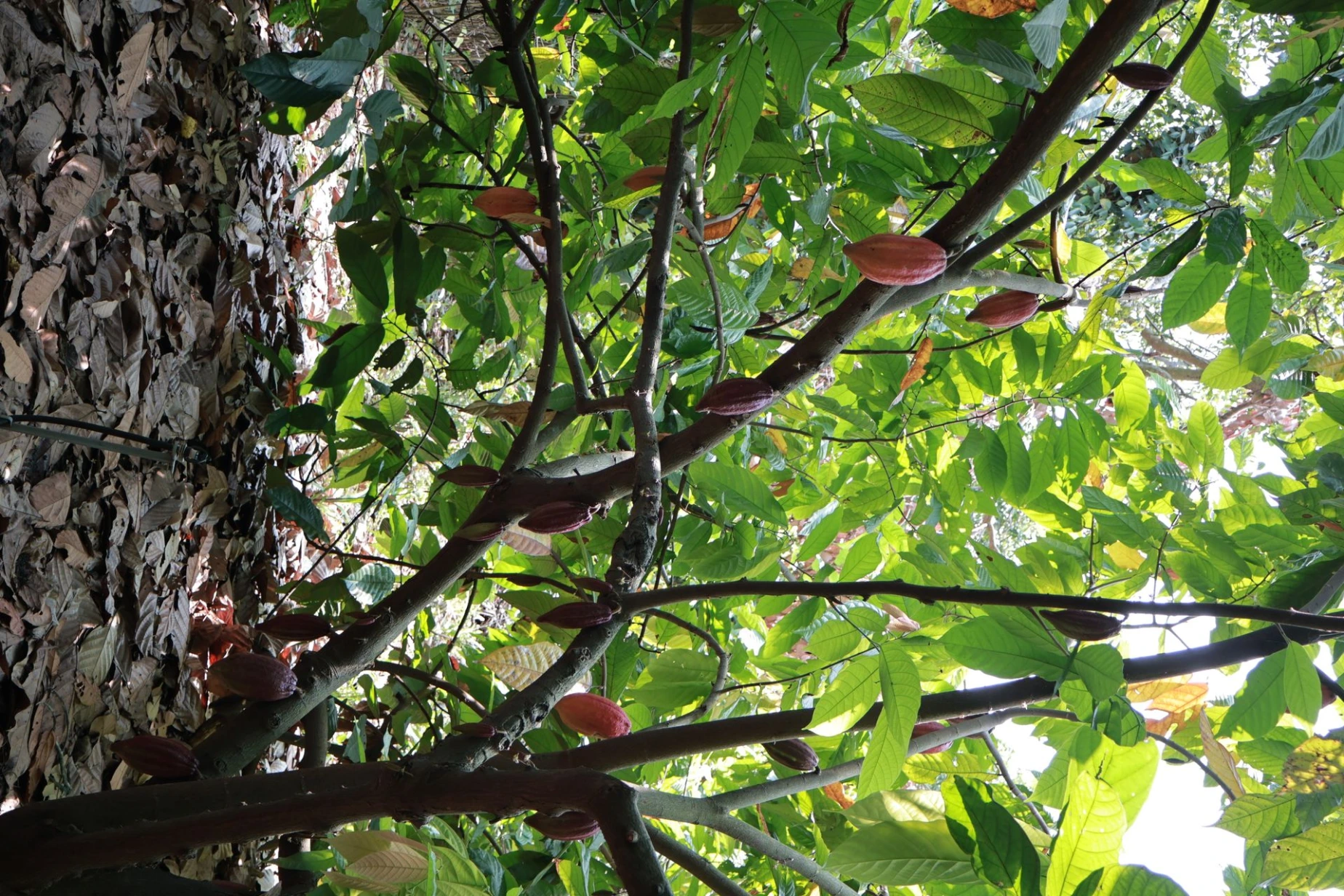
The trees help regulate the temperature for the entire garden
Thanks to that, the tree can grow more steadily throughout the seasons of the year.
Not only protecting the cacao tree
The rows of trees provide shade and create a habitat for birds, beneficial insects, and many other organisms.
A diverse ecosystem garden often has a better self-balancing ability, helping to reduce pressure from pests and limit dependence on external intervention measures.
That is also the reason why the intercropping model under tree canopies is increasingly valued in sustainable agriculture.
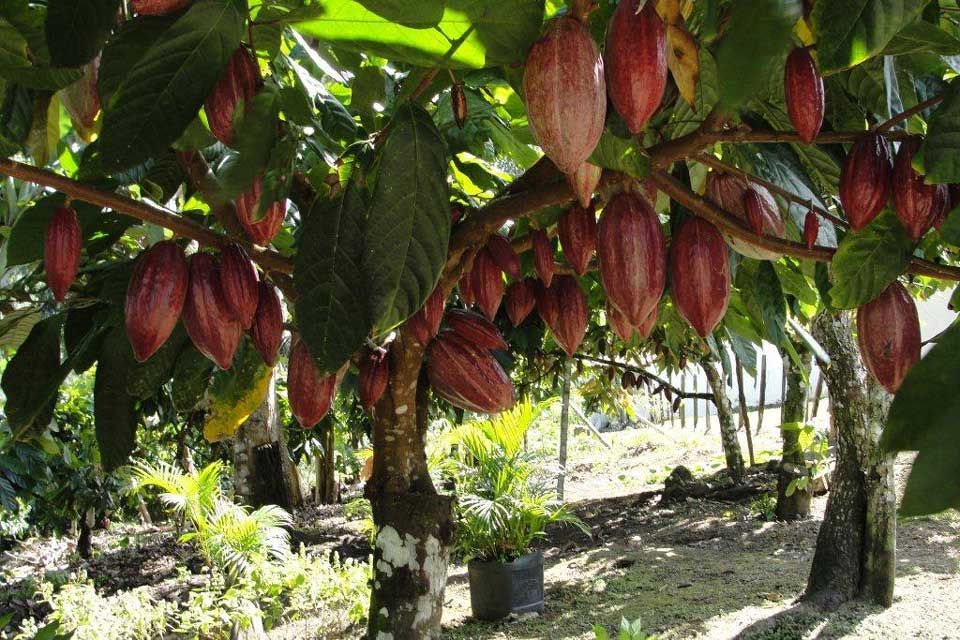
The flavor begins from the environment
When enjoying a cup of cocoa, we often think of the processes of roasting, fermenting, or processing.
But that journey actually began very early.
From the sunlight filtering through the leaves.
The moisture retained in the soil.
And from the ecosystem that the farmers have patiently preserved over the years.
In Cat Tien, each cacao bean is not only a product of the red basalt soil but also the result of a farming method that respects nature.
Cát Tiên – When the farm and nature coexist in one space
There are cultivated areas created by machines and perfect straight lines.
Cát Tiên is different.
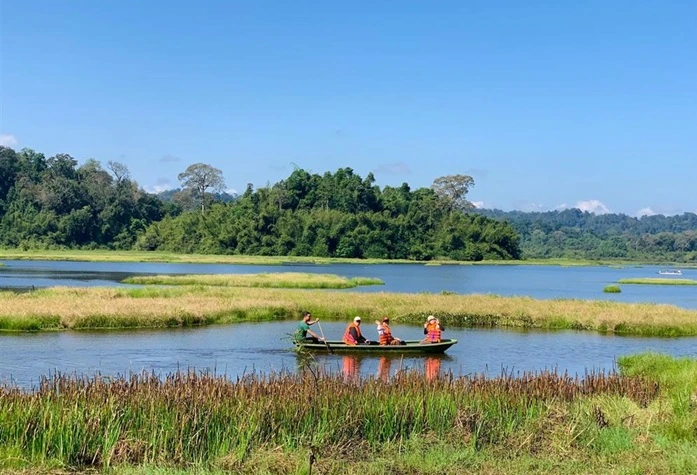
This place still retains many natural green spaces interspersed with cultivated areas. Large trees, native vegetation, and green spaces are still present alongside the gardens that are cared for every day.
That is what creates the unique characteristics of this land.
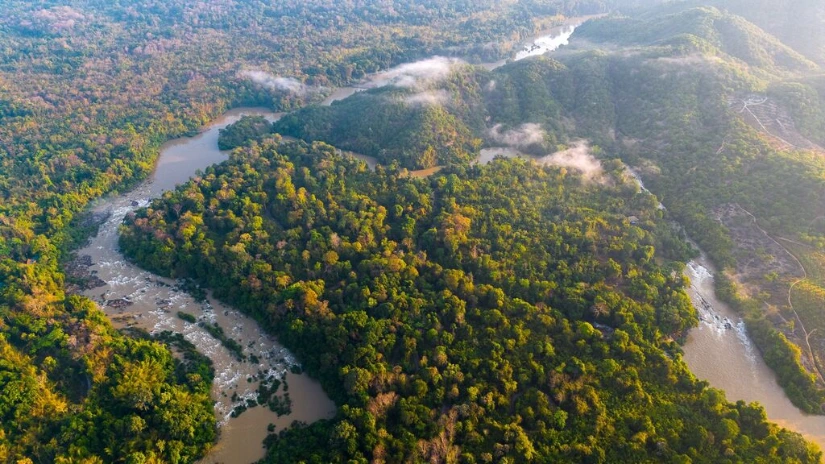
A garden is not just for plants
Walking along the production areas in Cat Tien, you can easily encounter images of large trees, native shrubs, and many other types of plants coexisting in one area.
This is not a coincidence.
Many farmers believe that a diverse environment will help create a more balanced ecosystem and provide favorable conditions for stable crop growth.
Instead of removing everything except the main crops, they choose to preserve what nature originally had and find ways for agriculture to harmonize with the surrounding environment.
Long-term growth mindset
In recent years, the concept of sustainable development has been mentioned a lot.
But in Cat Tien, it is not just on paper.
The farmers here understand that healthy soil leads to healthy plants, and healthy plants ensure stable harvests.
That is why they always pay attention to protecting the soil, water sources, and the natural landscape around their farming areas.
This is also how many people are preserving not just one harvest but also future harvests.
The value does not lie in the output
The interesting thing is that many people come to Cat Tien agricultural products not only for the quality.
They are also concerned about how the product is made.
Nowadays, consumers want to understand more about the origins of products, the farming environment, and the values behind the production process.
A product created in an environment that respects nature always brings a greater sense of reassurance.
Perhaps that is also why Cat Tien is gradually being mentioned as an example of how agriculture and nature can coexist and thrive in a shared space.
OCOP GIFT–All supplies, one platform
Contact Information & Connections:
- Website: https://ocop.vn
Follow OCOP GIFT on social media:
- Line: updating
- TikTok: updating
- Youtube: https://www.youtube.com/channel/UCihLVEU9hDh_Ut67l0U7bSw
- Instagram: https://www.instagram.com/ocop.contact.vcs/
- X (Twitter): https://x.com/ocopcontactvcs
- Facebook: https://www.facebook.com/profile.php?id=61590947802312
- Email: marketing@vcs-ai.com
- Hotline (Japanese – Vietnamese support): +84 915 878 333
- Japan Office: 神奈川県藤沢市藤沢388富士ビル 5F
- Vietnam Office: 76A/3, Tran Huu Trang Street, Phu Nhuan, Ho Chi Minh City